Four scoreless innings out of the bullpen finally gave Walter Johnson the championship his fastball had never been able to secure on its own. In Game 7 of the 1924 World Series, Washington’s longtime ace held off the New York Giants until the Senators scored in the 12th inning. After 18 seasons, he had his title.
By then, “The Big Train” had already built a career around overpowering hitters, carrying enormous workloads and winning for teams that often gave him little help. He finished with 417 victories and a major league record 110 shutouts, all for Washington. Yet the pitcher remembered for his speed was also known for his restraint: he disliked throwing at hitters and rarely made a spectacle of himself.
From Kansas farmland to a Washington contract
Walter Perry Johnson was born on November 6, 1887, near Humboldt, Kansas. His family moved to Southern California while he was young, and at Fullerton Union High School his right arm began attracting attention. In one 15-inning game, he struck out 27 batters.
College was not part of his route to the majors. Instead, he went to Weiser, Idaho, where he pitched semiprofessional baseball and put together a reported streak of 85 consecutive scoreless innings in 1907.
Word traveled farther than the team did. Washington signed the 19-year-old that July, bringing him directly into the American League without a minor league apprenticeship.
His major league debut came on August 2, 1907, against Detroit. He lost 3-2, but the result concealed the more important development: the Senators had found a pitcher whose fastball could trouble established big league hitters immediately.
Learning to win in Washington
Johnson arrived with a sweeping, low delivery and unusual velocity. Radar guns were decades away, so precise modern speed comparisons are impossible. The testimony of opposing hitters, however, consistently described a fastball that was exceptionally difficult to pick up and catch.
He soon demonstrated that he could recover almost as impressively as he could throw.
On September 4, 5 and 7, 1908, he shut out the New York Highlanders-the club later renamed the Yankees-in three consecutive appearances. Three starts, three shutouts, four days.
Washington was not yet a contender, and his early records reflected that. In 1909, he went 13-25 despite a 2.22 ERA. The following season, he won 25 games and led the American League with 313 strikeouts.
As he gained experience, he added a curveball rather than asking the fastball to solve every problem. Better command and a broader repertoire made an already uncomfortable assignment even harder for hitters.
In 1912, he went 33-12 with a league-leading 1.39 ERA. Washington finished second, and its ace was entering his most productive stretch.
The seasons that established his place
The numbers from 1913 still demand a second look: 36 wins, seven losses, a 1.14 ERA and 243 strikeouts. Johnson led the American League in all three Triple Crown categories and won the Chalmers Award, the era’s version of the league MVP award.
During that season, he also threw 55⅔ consecutive scoreless innings, establishing an American League record.
His success was not confined to one remarkable summer. He led the league in victories each year from 1913 through 1916 and in strikeouts for eight consecutive seasons, from 1912 through 1919. Over his career, he would lead the AL in strikeouts 12 times.
The workload behind those achievements belonged to a different baseball world. Starting pitchers were expected to finish, and Johnson repeatedly worked more than 300 innings in a season. His combination of durability, command and strikeout ability allowed Washington to lean on him heavily.
A second pitching Triple Crown followed in 1918. By 1919, he had overtaken Cy Young for the recognized major league career strikeout record-a distinction he retained until Nolan Ryan passed him in 1983.
For all his shutouts, he threw only one no-hitter. On July 1, 1920, he held the Boston Red Sox hitless at Fenway Park in a 1-0 victory. A Washington fielding error prevented a perfect game.
A championship, finally
By 1924, Johnson was 36 and no longer simply the young fireballer hitters had first encountered. He remained effective enough to go 23-7, lead the league with a 2.72 ERA and 158 strikeouts, and claim his third pitching Triple Crown.
He also won his second American League MVP award. More importantly for Washington, the Senators won their first pennant.
The World Series against the Giants began painfully. Johnson struck out 12 in the opener but lost after pitching all 12 innings. He lost again in Game 5.
Game 7 offered a different role. With the score tied after eight innings, manager Bucky Harris turned to his veteran in relief. Johnson worked four scoreless innings, surviving threats and keeping Washington alive until Earl McNeely’s ground ball took a favorable hop and brought home the winning run.
The Senators returned to the World Series in 1925. This time, Pittsburgh prevailed in seven games, with Johnson taking the loss in the rain-soaked finale.
That season also supplied an unexpected batting achievement. He collected 42 hits in 97 at-bats, a .433 average, while winning 20 games. Even allowing for the limited number of plate appearances, it was striking production from a pitcher.
What the final totals reveal
Johnson’s last major league appearance came on September 30, 1927. Across 21 seasons, all with Washington, he compiled a 417-279 record, a 2.17 ERA and 3,509 strikeouts.
His 417 wins rank second in major league history behind Cy Young. His 110 shutouts remain the record.
Other totals explain the scale of the work: 5,914⅓ innings and 531 complete games. He also finished with a .235 batting average and 24 home runs.
Perhaps the most revealing figures concern games with almost no room for error. Johnson won 38 games by a 1-0 score and lost 26 by the same margin, both major league records. Even an outstanding start could leave him dependent on whether Washington manufactured a single run.
In 1936, he joined Ty Cobb, Babe Ruth, Honus Wagner and Christy Mathewson as the first five players elected to the Baseball Hall of Fame.
The man behind the fastball
At roughly 6-foot-1 and 200 pounds, Johnson had the frame to support his demanding workload. His low arm angle and easy-looking motion made the ball’s arrival particularly unsettling.
His temperament offered a contrast. Contemporary accounts describe a courteous, comparatively mild-mannered competitor who was reluctant to pitch inside for fear of injuring a batter. That reputation helped produce nicknames such as “Sir Walter,” alongside the more enduring “Big Train.”
The distinction matters. His effectiveness came from the quality of his pitches, not a cultivated reputation for intimidation.
After retiring as a player, he stayed in baseball. He managed Newark in the International League in 1928, then returned to lead the Senators from 1929 through 1932. A spell managing Cleveland followed from 1933 to 1935. Neither major league managerial job brought another pennant.
Family life, farming and public office
Johnson married Hazel Lee Roberts on June 24, 1914. Their family life became rooted in Maryland, away from the ballparks and railway travel that shaped his playing seasons. Hazel died in 1930; he did not remarry.
He later settled on a farm near Germantown, giving his post-playing life a setting far removed from a crowded Washington grandstand. Baseball remained nearby, though: he broadcast Senators games in 1939.
Public service became another substantial commitment. Montgomery County voters elected him a county commissioner in 1938 and reelected him in 1942. Between those victories, he ran for Congress as a Republican in Maryland in 1940, losing to incumbent William D. Byron.
Johnson died from a brain tumor on December 10, 1946, aged 59. His playing career had ended nearly two decades earlier, but the Washington record book still bore his imprint across wins, innings, strikeouts and shutouts.
FAQ
How many games did Walter Johnson win?
He won 417 major league games, all with the Washington Senators. Only Cy Young won more.
Why was he called “The Big Train”?
The nickname evoked the speed and power of his fastball, which contemporary hitters regarded as exceptionally difficult to hit.
What is his most famous pitching record?
His 110 career shutouts remain the major league record.
Did he win a World Series?
Yes. He helped Washington win the 1924 World Series, earning the Game 7 victory with four scoreless innings of relief.
When was he elected to the Hall of Fame?
He was elected in 1936 as one of the Hall of Fame’s first five members.
Did he play for any other major league team?
No. His entire major league playing career, from 1907 through 1927, was spent with Washington.
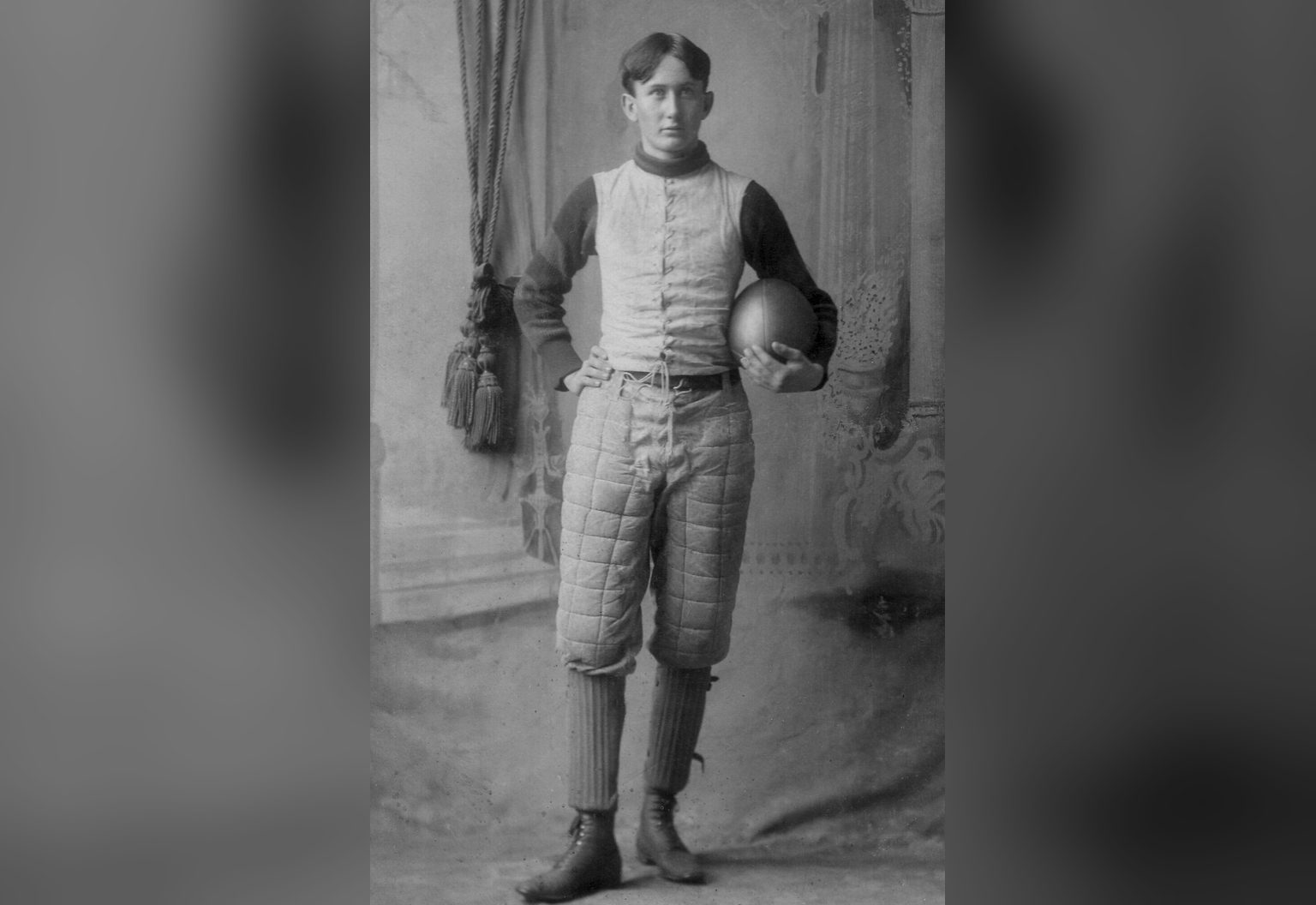
Photo: 0yks0, CC BY-SA 4.0, via Wikimedia Commons